Top Benefits of a Full Service Oil Change at Your Local Service Center
A comprehensive oil change at a local service center delivers considerable improvements for vehicle maintenance. It guarantees that worn-out oil is replaced with top-grade oils, boosting engine performance. Mechanics carry out essential evaluations, detecting potential issues early. This forward-thinking strategy can result in improved gas mileage and reduced repair costs. Understanding these advantages is crucial for all automobile owners. What other factors should a driver evaluate when maintaining their car's condition?
How Frequently Should You Change Your Oil?
How frequently should vehicle owners change their oil? This question often arises among car enthusiasts and everyday drivers alike. Typically, vehicle manufacturers suggest replacing engine oil every 5,000 to 7,500 miles, although some modern vehicles can stretch this interval to 10,000 miles or more under specific conditions. Elements that affect how often you need an oil change include your driving patterns, local weather conditions, and the oil variety you choose. For instance, those who frequently engage in stop-and-go traffic or drive in extreme temperatures may require more frequent changes. Moreover, synthetic motor oils are known to deliver enhanced protection and can help lengthen the duration between necessary oil changes. Keeping track of both oil level and condition is essential; murky, coarse-textured oil signals that a replacement is needed. At the end of the day, following a disciplined oil change regimen is indispensable for sustaining engine condition, enhancing overall performance, and increasing the longevity of your vehicle, establishing it as a cornerstone of responsible automobile ownership.
What Can You Expect from a Full Service Oil Change?
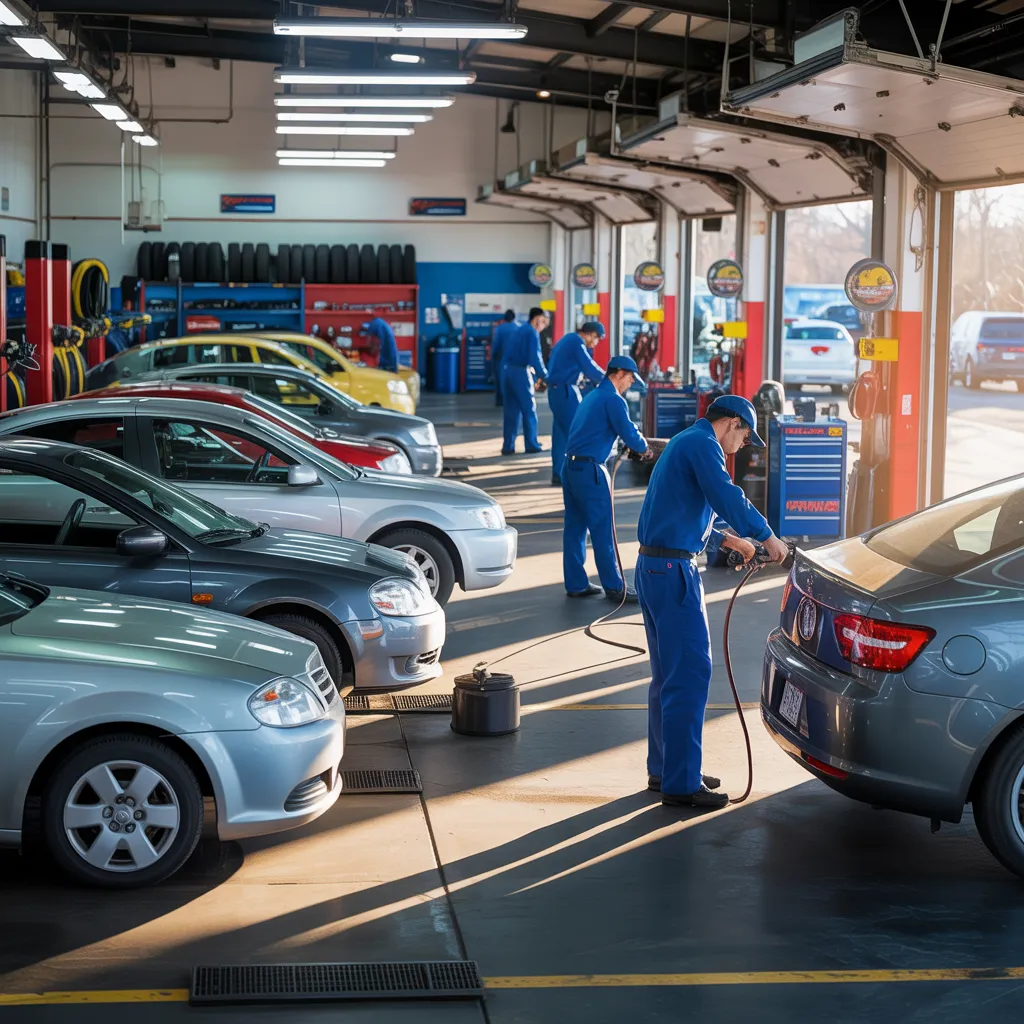
A comprehensive full oil change usually covers multiple critical aspects designed to guarantee optimal engine function. To begin, the service involves extracting the aged engine oil, which is then replaced with premium, manufacturer-approved oil. The oil filter is additionally changed to guarantee that contaminants do not circulate within the engine.
In addition to these primary tasks, technicians often conduct a comprehensive multi-point check, checking hoses, belts, and fluid levels for wear and tear. Technicians may additionally check the cabin filter and air filter, swapping them out when needed.
Certain service centers deliver additional services, such as tyre rotation, brake examination, and even a wash or clean of the vehicle's interior, boosting the overall upkeep of the vehicle. This extensive approach not only supports engine performance but also supports the lifespan of additional vital systems within the car.
How a Complete Oil Change Service Enhances Fuel Efficiency
A full service oil change substantially improves fuel efficiency by ensuring proper oil viscosity, which enables smoother engine operation. Additionally, regular maintenance helps maintain engine cleanliness, minimizing the development of harmful deposits. Moreover, decreased friction levels between moving parts contribute to improved overall performance and fuel economy.
Ideal Oil Viscosity
Perfect oil viscosity is essential for enhancing fuel efficiency. When a vehicle's engine functions with the right oil viscosity, it delivers effective lubrication and lowers friction across moving parts. This performance reduces the energy required to overcome resistance, enabling the engine to function smoothly and effectively. A complete oil service not only replaces old oil with the right viscosity grade but also assists in detecting any potential issues affecting performance. By preserving the recommended oil viscosity, drivers can experience improved fuel economy, as the engine does not have to work as hard. Therefore, a regular comprehensive oil change can contribute greatly to long-term savings at the pump, serving both the wallet and the environment.
Engine Cleanliness Care
Regular oil changes greatly enhance engine cleanliness, which is crucial for preserving peak fuel efficiency. Over time, engine oil accumulates contaminants, including dirt, debris, and combustion byproducts. These impurities can create sludge that hinders oil flow and impairs the engine's performance. By choosing a full service oil change, vehicle owners guarantee that old, contaminated oil is replaced with fresh, high-quality oil, encouraging a cleaner engine environment. A clean engine performs more optimally, allowing fuel to ignite more effectively. This improved combustion process not only maximizes energy output but also contributes to better mileage. Therefore, regular maintenance supports engine longevity, reduces the likelihood of costly repairs, and guarantees a smoother driving experience overall.
Lowered Friction Levels
One major benefit of a comprehensive oil change is the reduction of friction levels within the engine. Fresh, high-quality oil efficiently coats engine parts, minimizing wear and tear. This protective coating enables components to glide smoothly against each other, reducing resistance and enhancing performance. When friction is reduced, the engine runs more effectively, which has a direct effect on fuel consumption. Studies indicate that engines with ideal lubrication can attain improved fuel economy, translating to cost savings for drivers. Regular oil changes help maintain these low friction levels, guaranteeing the engine performs at maximum efficiency. Therefore, scheduling a complete oil change service not only lengthens engine life but also supports better fuel efficiency, making it an smart investment for vehicle owners.
Why Expert Oil Changes Are Important
Expert oil changes serve a critical role in sustaining a vehicle's efficiency and durability. When conducted by certified technicians, these services confirm that the proper type and quantity of oil is applied, customized to the unique needs of each vehicle. This precision helps optimize engine function and enhances fuel شاهد هذا efficiency.
Moreover, professional oil changes frequently come with supplementary checks, such as checking filters and fluid levels, which can identify potential issues before they worsen. This proactive approach reduces the likelihood of costly repairs later on. Additionally, a service history from a reputable center can be advantageous for resale value, as it demonstrates a commitment to proper vehicle upkeep.
How Regular Oil Changes Can Prolong Your Vehicle's Life
Regular oil changes play an essential role in boosting engine performance and achieving maximum fuel efficiency. Through reducing the strain and deterioration on engine components, these regular maintenance procedures greatly enhance the durability of a vehicle. This forward-thinking maintenance not only shields the engine but also elevates the overall driving experience.
Improved Engine Performance
Maintaining ideal engine performance copyrights on the frequency of oil changes, which play an essential role in prolonging a vehicle's lifespan. Consistent oil changes help ensure that the engine functions at its best by preventing the buildup of harmful contaminants and sludge. Fresh oil lubricates moving parts efficiently, reducing friction and wear. Such lubrication is essential for optimal engine performance, allowing for smoother operation under various driving conditions. Furthermore, regular oil changes assist in keeping engine temperatures balanced, reducing the likelihood of overheating and costly damage. By investing in regular oil changes, car owners can improve their engine's output, contributing to a smoother and more responsive time behind the wheel. Ultimately, this routine not only increases the longevity of the vehicle but also improves overall satisfaction on the road.
Increased Fuel Savings
Regular oil changes do more than improve engine performance as they also significantly affect fuel efficiency. Consistent oil changes make certain that the engine is properly lubricated with fresh, high-quality oil, decreasing friction across moving parts. This ideal lubrication allows the engine to operate more smoothly, requiring less energy to maintain performance. Consequently, vehicles benefit from better fuel economy, enabling drivers to cover greater distances on every gallon of fuel. Furthermore, new oil assists in regulating the engine's temperature, avoiding overheating and ensuring effective combustion. Through consistent oil changes, vehicle owners are able to eliminate unnecessary engine strain and support more cost-effective driving habits. Over time, this habit results in a prolonged vehicle lifespan and decreased fuel expenditures.
Minimized Wear And Tear
Regular oil changes significantly minimize deterioration on a vehicle's engine. Clean oil sustains maximum lubrication, shielding engine components from friction and heat buildup. Over time, old oil can become contaminated with dirt and debris, causing increased friction and potential damage. Regular oil changes guarantee that the engine functions properly, minimizing the risk of costly repairs over time. Additionally, a properly lubricated engine endures less strain, which can considerably increase its longevity. Routine maintenance, including oil changes, also enables technicians to detect potential issues early, further protecting the vehicle. Ultimately, scheduling regular oil changes is a straightforward approach to sustaining a vehicle's performance, improving its dependability and longevity for years to come.
How Oil Changes Save You Money
Consistent oil changes can considerably decrease long-term vehicle maintenance costs. By ensuring that the engine runs smoothly with clean oil, vehicle owners can avoid serious problems including sludge buildup and overheating. Such issues can result in expensive repairs or complete engine failure, which are considerably more than the reasonable expense of scheduled oil changes.
Additionally, keeping your engine performing optimally through scheduled oil changes can increase fuel efficiency. A thoroughly lubricated engine runs more efficiently, leading to savings at the gas pump over time. Moreover, some manufacturers require proof of regular oil changes to maintain warranty coverage, shielding owners from unexpected repair costs.
Choosing a complete oil change not only enhances vehicle longevity but also decreases the risk of unforeseen mechanical failures. Consequently, regular oil changes serve as a preventative measure, ultimately saving money and ensuring a reliable driving experience.
Understanding When to Plan Your Next Full Oil Change Service
How often should vehicle owners plan their next comprehensive oil change appointment? As a general rule, service intervals fall between 3,000 and 7,500 miles, based on the specific make and model of the vehicle and the oil type utilized. Regularly checking the vehicle's oil level and quality is vital; if the oil appears dark or gritty, it may indicate the need for a change sooner. Additionally, owners should take note of the vehicle's performance. Unusual noises, decreased fuel efficiency, or warning lights on the dashboard might suggest that an oil change is due. Changes in season can influence how frequently oil changes are needed; to illustrate, extreme cold weather during winter months can demand more frequent oil change intervals. In closing, reviewing the owner's manual delivers personalized guidance suited to the vehicle, promoting top performance and durability. Routine oil change appointments are a forward-thinking approach to keeping the engine in good shape and steering clear of high-cost repairs later on.
Common Questions and Answers
Can I Get Other Services During a Full Service Oil Change?
Indeed, most repair facilities feature extra services during a complete oil change service. Such services may include rotating your tires, fluid level inspections, and air filter replacements, giving you a practical chance for comprehensive car maintenance in a single stop.
What Kind of Oil Is Used in a Full Service Oil Change?
Usually, a complete oil change employs either conventional, synthetic blend, or full synthetic oil. The selection relies on the automobile's needs and the customer's preferences, guaranteeing superior performance and motor protection while driving.
What Is the Duration of a Full Service Oil Change?
A complete oil change usually requires between 30 to 60 minutes, based on the facility's workload and any extra services needed. Elements such as the type of vehicle and selected oil can additionally impact the length of the service.
Is an Appointment Required for a Full Service Oil Change?
Booking an appointment for a full service oil change is usually suggested, so the service center can efficiently accommodate your vehicle. Nevertheless, numerous locations also welcome walk-in customers, giving options to those with urgent service requirements.
Are Full Service Oil Changes More Expensive Than Standard Oil Changes?
Comprehensive oil changes tend to be priced higher than standard oil changes due to the additional services included, like filter replacements and fluid inspections. This increased cost demonstrates the thorough care provided for your vehicle's upkeep.